Understanding Miter Saws: A Comprehensive Guide for Woodworkers and DIY Enthusiasts
Miter saws are vital tools in any woodworking store or DIY enthusiast's arsenal. These precision cutting machines are designed to make accurate crosscuts and miter cuts, necessary for creating photo frames, crown molding, and other complex woodworking tasks. This article looks into the world of miter saws, exploring their types, features, and best practices to help you take advantage of these powerful tools.
What is a Miter Saw?
A miter saw is a power tool used mostly for making accurate crosscuts and miter cuts in wood, plastic, and other materials. It includes a circular saw blade installed on a pivoting arm that can be adjusted to different angles. The workpiece is positioned against a repaired fence, and the saw is lowered to make the cut. Miter saws are known for their accuracy, speed, and versatility, making them a favorite among specialists and hobbyists alike.
Kinds Of Miter Saws
1. Standard Miter Saw
A standard miter saw, likewise understood as a standard miter saw, is the most basic type. It can make crosscuts and miter cuts at different angles but can not tilt the blade to make bevel cuts. This type is perfect for basic woodworking projects and is more budget friendly than other designs.
2. Compound Miter Saw
A compound miter saw can make both miter and bevel cuts. The blade can be tilted to one side, enabling more complex cuts. This type appropriates for projects that require more detailed angles, such as crown molding and trim work.
3. Dual-Bevel Compound Miter Saw
A dual-bevel compound miter saw can tilt the blade to both the left and ideal sides. This function offers greater flexibility and is particularly beneficial for jobs that require cuts from both directions without repositioning the workpiece. It is a bit more pricey however provides enhanced adaptability.
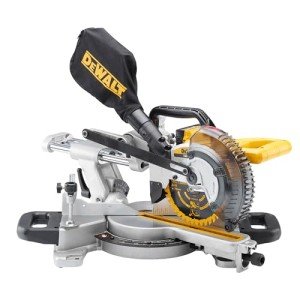
4. Sliding Compound Miter Saw
A sliding compound miter saw integrates the functions of a compound miter saw with a sliding system. This permits the blade to move forward and backwards, similar to a radial arm saw, enabling longer cuts. This type is ideal for cutting wider boards and is a favorite amongst specialists.
Secret Features to Consider
1. Blade Size
Miter saws come with different blade sizes, normally varying from 8 inches to 12 inches. A larger blade size enables much deeper cuts and is appropriate for thicker products. However, a smaller sized blade size is more portable and much easier to deal with.
2. Cutting Capacity
The cutting capability describes the optimum depth and width of the cut the saw can make. Power Tools Online is important for identifying the kinds of projects you can undertake. For example, a 12-inch sliding compound miter saw can deal with larger and thicker materials compared to an 8-inch basic miter saw.
3. Miter and Bevel Angles
The series of miter and bevel angles the saw can attain is necessary for precision cuts. The majority of miter saws can make miter cuts up to 45 degrees and bevel cuts up to 45 degrees. Some models offer micro-adjustments for even finer control.
4. Fence and Table
A durable and accurate fence and table are necessary for making precise cuts. The fence ought to be stable and adjustable, while the table must be big enough to support the workpiece securely.
5. Dust Collection System
A great dust collection system assists keep your workspace tidy and lowers the risk of injury. Look for designs with built-in dust collection or the option to connect a shop vacuum.
6. Security Features
Safety is paramount when utilizing power tools. Secret safety features consist of a blade guard, a brake system to stop the blade quickly, and an electric brake to avoid accidental blade motion.
Best Practices for Using a Miter Saw
1. Preparation
- Measure and Mark: Accurately step and mark the cutting line on your workpiece.
- Secure the Workpiece: Use clamps or a vise to hold the workpiece strongly against the fence.
2. Setting the Angles
- Change the Miter Angle: Use the miter scale to set the wanted angle.
- Change the Bevel Angle: If using a compound miter saw, set the bevel angle as required.
3. Making it
- Line up the Blade: Ensure the blade is aligned with the cutting line.
- Lower the Blade: Slowly lower the blade into the workpiece, applying consistent pressure.
- Follow Through: Complete the cut in a smooth, continuous movement.
4. Upkeep
- Clean the Saw: Regularly tidy the saw to eliminate sawdust and debris.
- Sharpen the Blade: Ensure the blade is sharp for tidy, precise cuts.
- Check the Fence and Table: Ensure they are tidy and devoid of any blockages.
Frequently asked questions
1. What is the difference between a miter cut and a bevel cut?
- Miter Cut: A miter cut is made at an angle across the width of the board.
- Bevel Cut: A bevel cut is made at an angle along the thickness of the board.
2. Can a basic miter saw make bevel cuts?
- No, a standard miter saw can just make crosscuts and miter cuts. For bevel cuts, you need a compound miter saw.
3. What is the best miter saw for a beginner?
- A basic miter saw is an excellent choice for beginners due to its simpleness and price. It can handle a lot of standard woodworking projects.
4. How often should I hone the blade?
- The frequency depends on usage, however generally, a blade must be sharpened or replaced every 6-12 months for optimal performance.
5. Can I utilize a miter saw for cutting metal?
- While some miter saws can cut metal with the ideal blade, it is not recommended for frequent metal cutting. A devoted metal-cutting saw is more appropriate.
Miter saws are versatile and vital tools for any woodworking job, using precision and effectiveness. Whether you are an expert carpenter or a DIY lover, understanding the different kinds of miter saws and their features will help you choose the right tool for your needs. By following best practices and maintaining your saw, you can guarantee accurate and safe cuts for all your projects.
Happy woodworking!